
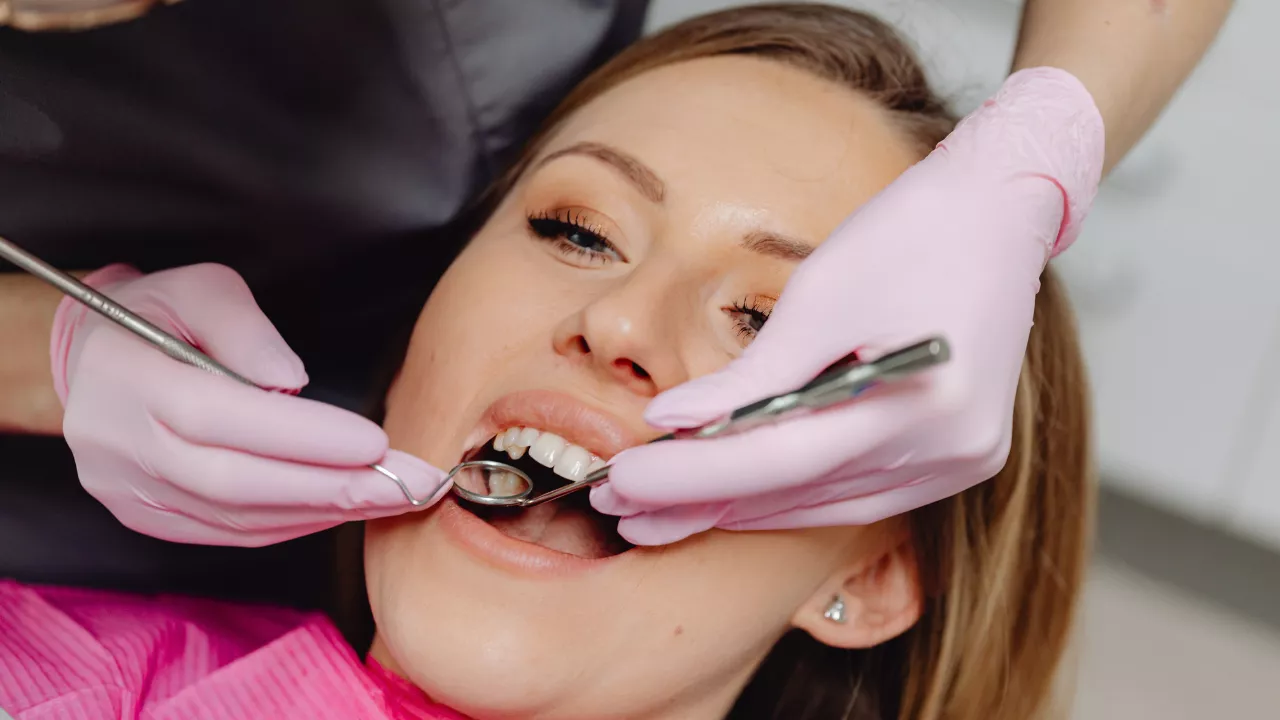
A dental cleaning without insurance costs between $75 and $200 for a standard cleaning, also called a prophylaxis. If you need a deep cleaning due to gum disease, expect to pay $150 to $350 per quadrant of your mouth. Many dental offices offer discounts for patients who pay out of pocket, and some provide membership plans that reduce the cost of routine care throughout the year.
Understanding these costs helps you budget for your oral health even without insurance coverage. Regular cleanings are one of the most affordable ways to prevent expensive dental problems down the road.
Standard Cleaning vs Deep Cleaning Cost
The type of cleaning you need significantly affects your out-of-pocket cost. Understanding the difference helps you know what to expect.
A standard cleaning, or prophylaxis, is preventive care for patients with healthy gums. It removes plaque and tartar from above the gum line and polishes your teeth. This is the routine cleaning most people receive every six months. Without insurance, a standard cleaning typically costs $75 to $200.
A deep cleaning, known as scaling and root planing, is a therapeutic treatment for patients with gum disease. It removes tartar and bacteria from below the gum line and smooths the tooth roots to help the gums reattach. Deep cleanings are priced per quadrant, with each quadrant costing $150 to $350. If your entire mouth needs treatment, the total can range from $600 to $1,400.
Your dentist will determine which type of cleaning you need based on the health of your gums. If it has been several years since your last cleaning, you may need a deep cleaning or a full mouth debridement before a standard cleaning can be performed.
What Is Included in a Dental Cleaning?
When you pay for a dental cleaning, you receive several services that work together to protect your oral health. Knowing what is included helps you understand the value of your investment.
Plaque and tartar removal is the primary purpose of a cleaning. Your dental hygienist uses special instruments to scrape away buildup from your teeth, including areas your toothbrush cannot reach. Tartar, also called calculus, can only be removed by a dental professional.
Polishing follows the scaling process. A gritty paste applied with a rotating brush removes surface stains and smooths your tooth enamel, making it harder for plaque to accumulate before your next visit.
Flossing by your hygienist ensures all debris is removed from between your teeth. They can also identify areas where you may need to improve your home care routine.
A basic examination by the dentist is often included. They will check for cavities, gum disease, oral cancer, and other concerns. However, a comprehensive exam with X-rays is usually a separate charge for new patients or annual visits.
Fluoride treatment may be offered as an add-on service, typically costing an additional $20 to $50. This protective coating helps strengthen enamel and prevent cavities.
How Much Do Dental X-Rays Cost Without Insurance?
If you are a new patient or it has been a year or more since your last visit, your dentist will likely recommend X-rays along with your cleaning. Understanding X-ray costs helps you budget for your total visit.
Bitewing X-rays, which show the upper and lower back teeth, typically cost $25 to $50. These are the most common X-rays taken during routine visits to check for cavities between teeth.
A full mouth series, which includes 14 to 20 images showing all your teeth, roots, and jawbone, costs $100 to $250. New patients often need this complete set for the dentist to establish a baseline of their oral health.
A panoramic X-ray, a single image showing your entire mouth, including jaw and sinuses, costs $100 to $150. This type is often used to evaluate wisdom teeth or plan orthodontic treatment.
When budgeting for your first visit without insurance, plan for both cleaning and X-ray costs. A typical new patient visit with cleaning, exam, and necessary X-rays may total $150 to $350.
Why Do Dental Cleaning Prices Vary?
Several factors influence the cost of a dental cleaning. Understanding these helps you evaluate whether a price is reasonable for your area.
Geographic location plays a significant role. Dental costs in urban areas and regions with higher living costs tend to be higher than in rural areas. Prices in Newark, New Jersey, reflect the local market conditions.
The dentist’s experience and credentials can affect pricing. A practice with advanced technology and specialized training may charge more than a basic general dentistry office. However, higher prices do not always mean better care.
The condition of your teeth matters. If you have significant tartar buildup or early signs of gum disease, your cleaning may take longer and cost more. Patients who maintain regular cleaning schedules typically have quicker, less expensive appointments.
Additional services increase your total cost. If your visit includes X-rays, fluoride treatment, or other services beyond the basic cleaning, your bill will be higher. Ask for a breakdown of charges before your appointment so you know what to expect.
How to Save Money on Dental Cleanings Without Insurance
Even without insurance, you have options to make dental cleanings more affordable. These strategies can significantly reduce your out-of-pocket costs.
Ask about cash pay discounts. Many dental offices offer 10% to 20% off for patients who pay in full at the time of service. Simply asking about uninsured patient pricing can result in savings.
Consider a dental membership plan. Many practices offer in-house membership programs where you pay an annual fee, typically $200 to $400, and receive discounted rates on all services, including free or reduced-cost cleanings. These plans often save money for patients who need regular care.
Use your HSA or FSA funds. If you have a Health Savings Account or Flexible Spending Account through your employer, you can use pre-tax dollars to pay for dental cleanings. This effectively saves you on your tax rate on the cost of care.
Look into dental discount plans. Companies offer membership programs that provide 20% to 40% off dental services at participating providers. These are not insurance but can reduce costs for routine care.
Compare prices between practices. Dental fees can vary significantly even within the same area. Calling a few offices to ask about their cleaning fees for uninsured patients can help you find affordable care.
How Often Should You Get a Dental Cleaning?
Most dentists recommend professional cleanings every six months for patients with healthy teeth and gums. This schedule prevents tartar buildup and catches problems early when they are easier and less expensive to treat.
Some patients need more frequent cleanings. If you have gum disease, your dentist may recommend cleanings every three to four months to keep the condition under control and prevent progression. Patients with diabetes, smokers, and those with a history of cavities may also benefit from more frequent visits.
When budgeting for dental care without insurance, plan for two cleanings per year at a minimum. At $75 to $200 per cleaning, your annual cost for routine cleanings would be $150 to $400. This is a modest investment compared to the cost of treating problems that develop from neglected oral care.
What Happens If You Skip Dental Cleanings?
Skipping dental cleanings may seem like a way to save money, but it often leads to more expensive problems. Understanding the consequences helps you prioritize this preventive care.
Plaque hardens into tartar within 24 to 72 hours. Once tartar forms, you cannot remove it with brushing and flossing alone. It continues to build up, irritating your gums and creating spaces where bacteria thrive.
Gingivitis develops when tartar irritates your gum tissue. You may notice bleeding when you brush, red or swollen gums, and bad breath. At this stage, the condition is still reversible with professional cleaning and improved home care.
Periodontitis occurs when gingivitis is left untreated. The infection spreads below the gum line, destroying the bone that supports your teeth. This stage requires expensive deep cleanings and ongoing maintenance. Advanced cases may lead to tooth loss.
Cavities form more easily when plaque and tartar are not removed. What starts as a small cavity requiring a $150 filling can progress to a large cavity needing a $1,000 crown or a $1,500 root canal if ignored.
The cost of two cleanings per year is far less than the cost of treating the problems that develop without regular care. Prevention is always more affordable than treatment.
Affordable Dental Cleanings in Newark, NJ
At Gentle Dental of NJ, we believe everyone deserves access to quality dental care, regardless of insurance status. Our team provides thorough, gentle cleanings that help you maintain a healthy smile without breaking your budget.
We offer transparent pricing for uninsured patients. Before your appointment, we will explain exactly what services you need and what they will cost. No surprises, no hidden fees.
Our practice accepts most major dental insurance plans for patients who have coverage. For those without insurance, we offer flexible payment options to make care affordable. Ask about our payment plans that allow you to spread the cost of treatment over time.
Led by Dr. Eugene Bernstein, DDS, with over 25 years of experience, our multi-specialty team provides comprehensive care under one roof. Whether you need a routine cleaning, gum disease treatment from our periodontist, Dr. Mark Pakan, or other dental services, we handle everything in one convenient location.
Our office is located at 290 Ferry Street in Newark’s Ironbound neighborhood, just five minutes from Newark Penn Station with free patient parking. We offer extended evening hours and Saturday appointments to fit your schedule. Our team speaks English, Spanish, and Portuguese.
Do not let a lack of insurance keep you from taking care of your teeth. Call Gentle Dental of NJ at 973-817-8888 to schedule your cleaning and learn about our affordable options for uninsured patients.
Frequently Asked Questions
Is a dental cleaning worth it without insurance?
Yes. A dental cleaning is one of the most cost-effective investments you can make in your health. At $75 to $200 per cleaning, you are spending a fraction of what you would pay to treat cavities, gum disease, or other problems that develop without regular care. Cleanings also help detect issues early when treatment is simpler and less expensive.
Can I negotiate dental cleaning prices?
Yes, many dental offices are willing to work with uninsured patients on pricing. Ask about cash pay discounts, payment plans, or membership programs. Being upfront about your budget and asking what options are available can often result in reduced fees or flexible payment arrangements.
How long does a dental cleaning take?
A standard dental cleaning typically takes 30 to 60 minutes. The time depends on how much buildup needs to be removed and whether additional services like X-rays or exams are included. Deep cleanings take longer, often 45 to 60 minutes per quadrant, and may be split into multiple appointments.
Does a dental cleaning hurt?
A standard cleaning should not be painful, though you may feel some pressure or minor discomfort if you have sensitive teeth or significant tartar buildup. If you experience gum sensitivity, let your hygienist know. Deep cleanings may cause some discomfort, but your dentist can numb the area to keep you comfortable during treatment.
Disclaimer
Medically reviewed by Dr. Eugene Bernstein, DDS. This content is for educational purposes only and is not intended as medical advice, diagnosis, or treatment. Please consult a qualified healthcare provider for personalized recommendations.