
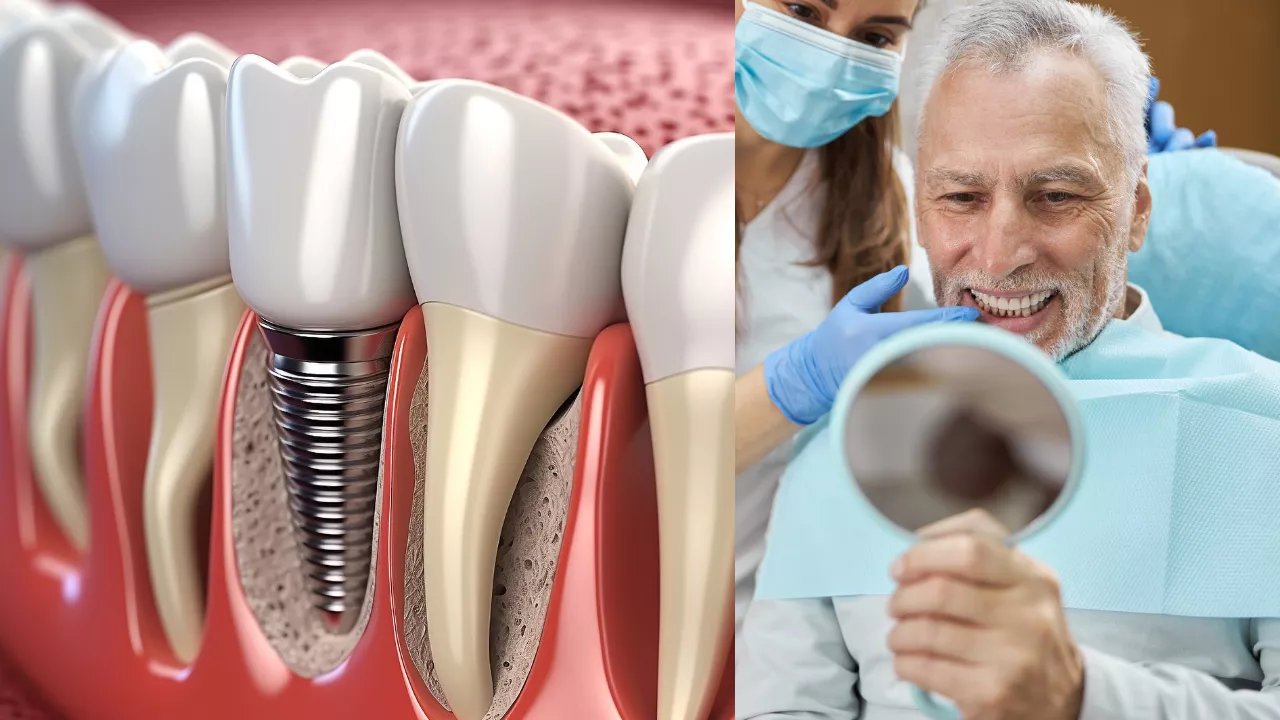
No, you are not too old for dental implants. There is no upper age limit for this procedure, and patients in their 70s, 80s, and even 90s successfully receive dental implants every day. What matters is your overall health and bone density, not your birthdate. As Dr. Eugene Bernstein explains, “It’s never too late. Age doesn’t matter. If a patient wants to have their teeth replaced, dental implants are the best option.”
If you have been told you are too old for implants or have assumed age disqualifies you, this guide will explain what actually determines candidacy and why many seniors choose implants over dentures.
Why Age Alone Does Not Disqualify You
Dental implant success depends on your body’s ability to heal and integrate the implant with your jawbone. This ability is determined by your overall health, not the number on your birthday cake.
Research consistently shows high success rates for dental implants in older patients. Studies have found that implant success rates in patients over 65 are comparable to those in younger patients when overall health is similar. Many dentists report that some of their healthiest implant candidates are in their 70s and 80s.
In fact, older patients often make excellent candidates because they tend to follow postoperative instructions carefully, maintain good oral hygiene habits, and are motivated to care for their investment.
What Actually Determines If You Are a Candidate
Your dentist will evaluate several factors during your consultation to determine if dental implants are right for you:
Jawbone Density: You need sufficient bone to support the implant. If you have experienced bone loss, bone grafting can often restore enough bone for successful implant placement.
Overall Health: You should be healthy enough to undergo a minor surgical procedure and heal properly. If you can have a tooth extraction, you can likely have an implant placed.
Controlled Chronic Conditions: Conditions like diabetes or heart disease do not automatically disqualify you. What matters is whether these conditions are well managed.
Smoking Status: Smoking significantly reduces implant success rates. If you smoke, your dentist will discuss quitting or reducing before treatment.
Oral Hygiene Commitment: You must be willing to maintain good oral care habits to keep your implant healthy for years to come.
Health Conditions That May Affect Eligibility
Certain health conditions require extra consideration, but most do not prevent you from getting implants:
Diabetes: Uncontrolled diabetes can slow healing and increase infection risk. However, patients with well-controlled diabetes have implant success rates similar to non diabetic patients. Your dentist may coordinate with your physician to ensure your blood sugar is well-managed before and after surgery.
Osteoporosis: This condition affects bone density but does not automatically disqualify you. Many patients with osteoporosis successfully receive implants. Your dentist will assess your specific bone quality and may recommend modifications to the treatment plan.
Blood Thinners: If you take blood-thinning medications, your dentist will coordinate with your physician about whether to adjust your medication before surgery. Many patients on blood thinners safely receive implants.
Heart Conditions: Stable heart conditions generally do not prevent implant treatment. Your dentist may request medical clearance from your cardiologist before proceeding.
Autoimmune Conditions: Some autoimmune conditions or immunosuppressive medications may affect healing. Each case is evaluated individually based on the specific condition and its management.
What If You Have Bone Loss?
Bone loss is common in seniors, especially those who have been missing teeth for years or have worn dentures for a long time. However, bone loss does not mean you cannot get implants.
Bone Grafting: This procedure adds bone material to your jaw to create a strong foundation for implants. After the graft heals over several months, implants can be placed successfully.
Mini Implants: These smaller diameter implants require less bone and can be an option for patients who cannot undergo bone grafting or prefer a less invasive approach.
All-on-4 Implants: This technique uses just four implants placed at strategic angles to support a full arch of teeth. It is designed to work with less bone and can often avoid the need for bone grafting.
Benefits of Dental Implants for Seniors
Dental implants offer significant advantages for older adults:
Eat Comfortably Again: Implants restore nearly 100% of your chewing ability. You can enjoy steak, apples, corn on the cob, and other foods that are difficult or impossible with dentures.
No Slipping or Adhesives: Unlike dentures, implants are anchored in your jawbone. They will not slip when you eat, speak, or laugh. No messy adhesives required.
Preserve Facial Structure: Implants stimulate your jawbone and prevent the bone loss that causes the sunken facial appearance often associated with aging and tooth loss.
Improved Speech: Ill-fitting dentures can cause slurred speech or clicking sounds. Implants stay securely in place, allowing you to speak clearly and confidently.
Better Quality of Life: Many seniors report feeling years younger after getting implants. The ability to eat, smile, and socialize without worrying about teeth significantly improves daily life.
Dental Implants vs Dentures for Older Adults
Many seniors have worn dentures for years and wonder if switching to implants is worth it. Here is how they compare:
Stability: Dentures rest on your gums and can slip or shift. Implants are anchored in bone and feel like natural teeth.
Bone Health: Dentures do not prevent bone loss and can actually accelerate it due to pressure on the gums. Implants preserve bone by providing the stimulation your jaw needs.
Maintenance: Dentures require removal, soaking, and adhesives. Implants are brushed and flossed like natural teeth.
Comfort: Many long-term denture wearers experience sore spots and discomfort. Implants eliminate these issues.
Middle Option: If full implants are not possible, implant-supported dentures use two to four implants to secure a denture in place, providing much better stability than traditional dentures.
Dental Implants for Seniors in Newark, NJ
At Gentle Dental of NJ, we have helped patients of all ages restore their smiles with dental implants. Our team understands the unique concerns of older patients and provides gentle, personalized care.
Why seniors trust us:
24 Years of Implant Experience: Dr. Eugene Bernstein has been placing dental implants for over two decades with a 98% success rate across patients of all ages.
Multi-Specialty Team: Our periodontist handles complex cases and bone grafting right here in our office. No outside referrals needed.
Gentle Approach: We are known for pain-free treatment and take extra time with patients who feel anxious about dental procedures.
Flexible Scheduling: Evening and Saturday appointments available to accommodate your schedule.
Bilingual Staff: Our team speaks English, Spanish, and Portuguese to serve Newark’s Ironbound community.
Schedule a consultation to find out if dental implants are right for you. We will evaluate your health, examine your jawbone, and discuss all your options honestly. Call 973-817-8888 or request an appointment online.
Frequently Asked Questions
Can a 70-year-old get dental implants?
Yes, patients in their 70s regularly receive dental implants with excellent results. Age alone does not determine candidacy. Your dentist will evaluate your overall health, bone density, and any chronic conditions to determine if implants are right for you.
Can an 80-year-old get dental implants?
Yes, many patients in their 80s successfully receive dental implants. If you are in good overall health and can undergo a minor surgical procedure, age should not prevent you from getting implants. Schedule a consultation to discuss your specific situation.
Is there a maximum age for dental implants?
No, there is no maximum age for dental implants. Candidacy is based on health status, not age. Patients in their 90s have received implants when their overall health supported the procedure.
Are dental implants safe for seniors?
Yes, dental implants are safe for seniors when properly evaluated. The procedure uses local anesthesia and is less invasive than many people expect. Your dentist will review your medical history and coordinate with your physicians to ensure safe treatment.
How long do implants last in older patients?
Dental implants can last 25 years or longer, regardless of the patient’s age at placement. With proper care and regular dental checkups, implants placed in your 70s or 80s can last the rest of your life.
Disclaimer
Medically reviewed by Dr. Eugene Bernstein, DDS. This content is for educational purposes only and is not intended as medical advice, diagnosis, or treatment. Please consult a qualified healthcare provider for personalized recommendations.