
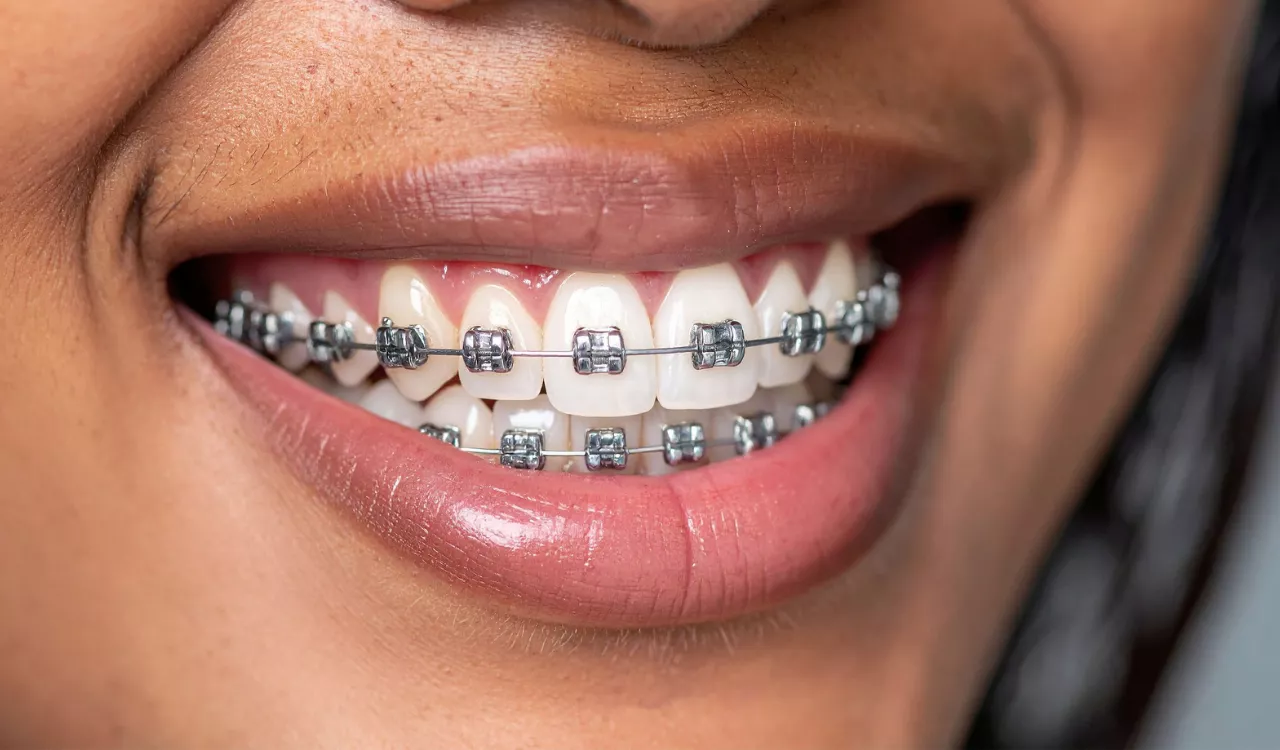
Most people wear braces for 12 to 24 months, though treatment time varies based on the complexity of your case. Minor corrections like small gaps or mild crowding may take as little as 6 to 12 months. More complex issues like severe crowding or significant bite problems can take 24 to 30 months or longer.
The timeline depends on several factors, including the nature of the corrections needed, the type of braces you choose, your age, and how closely you follow your orthodontist’s instructions. Understanding these factors helps you set realistic expectations and gives you some control over how quickly you finish treatment.
What Affects How Long You Wear Braces?
There is no single timeline for braces because every patient starts with different orthodontic needs. Several factors determine whether your treatment will be closer to 12 months or closer to 24 months.
Severity of the Orthodontic Problem
The more your teeth need to move, the longer treatment takes. Minor spacing issues or slight crowding require less movement and fewer adjustments. Severe crowding, where teeth overlap significantly, takes longer because teeth must shift further distances. The same applies to bite problems. A mild overbite corrects faster than a severe underbite, requiring significant jaw alignment.
Type of Braces
Different brace systems work at different speeds for different problems.
Metal braces are often the fastest option for complex cases. They allow the orthodontist maximum control over tooth movement and work continuously because they are fixed to your teeth.
Ceramic braces work similarly to metal braces and have comparable treatment times. The main difference is appearance, not speed.
Invisalign clear aligners can be faster for mild to moderate cases because patients switch to new trays every one to two weeks. However, Invisalign depends entirely on patient compliance. If you do not wear the aligners 20 to 22 hours per day, treatment slows down significantly.
Lingual braces (placed behind teeth) have similar timelines to traditional braces, though some adjustments may take slightly longer due to their position.
Patient Age
Children and teenagers often complete treatment faster than adults. Young patients have jaws that are still growing, making teeth easier to move. The bone is less dense and responds more quickly to orthodontic pressure.
Adults can achieve excellent results, but treatment may take a few months longer for similar cases. Adult bone is denser and more established. However, adults tend to be more compliant with instructions, which can offset some of the biological differences.
Patient Compliance
This is the factor you control. Following your orthodontist’s instructions can keep treatment on schedule. Ignoring them can add months to your timeline.
For traditional braces, compliance means wearing rubber bands as prescribed, avoiding foods that break brackets, keeping all adjustment appointments, and maintaining good oral hygiene.
For Invisalign, compliance means wearing aligners 20 to 22 hours daily, only removing them to eat and brush. Patients who wear aligners only 14 to 16 hours per day will see slower progress and extended treatment times.
Orthodontist Experience
A skilled, board-certified orthodontist creates efficient treatment plans from the start. Proper diagnosis, appropriate appliance selection, and well-timed adjustments all contribute to staying on schedule. At Gentle Dental of NJ, Dr. Ilya Lipkin is a board-certified orthodontist and Clinical Professor at NYU College of Dentistry. His experience means treatment is planned for efficiency and effectiveness.
How Long Do Braces Take for Different Dental Issues?
Treatment time varies depending on what needs to be corrected. Here are general timelines for common orthodontic problems.
Crowded Teeth
Mild crowding with minor overlapping typically takes 6 to 12 months. Moderate crowding, where teeth are noticeably crooked, usually requires 12 to 18 months. Severe crowding that may require tooth extraction to create space can take 18 to 24 months or longer.
Gaps Between Teeth
Spacing issues are often faster to correct than crowding. Small gaps between a few teeth may close in 6 to 12 months. Multiple gaps or larger spaces throughout the mouth typically require 12 to 18 months.
Overbite Correction
An overbite occurs when upper front teeth significantly overlap lower front teeth. Mild overbites may correct in 12 to 18 months. Moderate to severe overbites requiring rubber bands and possibly other appliances often take 18 to 24 months.
Underbite Correction
Underbites, where lower teeth sit in front of upper teeth, are often more complex to treat. Mild underbites may take 12 to 18 months. Severe underbites, especially in adults, can require 18 to 30 months. Some cases may need surgical consultation for the best results.
Crossbite Correction
A crossbite occurs when some upper teeth sit inside lower teeth when biting down. Treatment often involves a palatal expander first, especially in children, followed by braces. Total treatment time, including both phases, can range from 12 to 24 months.
Open Bite Correction
An open bite, where front teeth do not touch when back teeth are closed, is one of the more challenging corrections. Treatment typically takes 18 to 24 months or longer and requires strict compliance with rubber bands and other appliances.
Do Adults Take Longer Than Kids?
This is a common question, especially for adults considering braces for the first time.
The short answer is yes, adults often take slightly longer. For similar cases, adult treatment may add 2 to 6 months compared to teen treatment. This is not a dramatic difference, but it is worth understanding.
Why do adults take longer. Adult jawbones are fully developed and denser than the bones of children or teenagers. Teeth have been in their positions for decades, and the surrounding bone is more established. There is no jaw growth to work with, which means the orthodontist relies entirely on mechanical movement.
But adults have advantages. Adults are generally more compliant than teenagers. They follow instructions carefully, wear rubber bands consistently, avoid foods that damage braces, and keep their appointments. This discipline often offsets the biological factors.
Age is not a barrier. Adults in their 30s, 40s, 50s, and beyond successfully complete orthodontic treatment every day. At Gentle Dental of NJ, many patients are adults from the Ironbound community getting braces for the first time or correcting orthodontic relapse from their teenage years.
According to information from Gentle Dental’s orthodontic team, many adult cases finish in roughly 12 to 18 months, while more severe issues can take around 2 years. Invisalign for adults with mild crowding might be as short as 6 to 9 months.
How Long Does the Braces Appointment Take?
Beyond overall treatment time, patients want to know about individual appointments.
Initial Consultation
Your first visit typically takes 30 to 60 minutes. The orthodontist examines your teeth and bite, takes X-rays or digital scans, and discusses your goals. You will receive a treatment plan with an estimated timeline and cost. At Gentle Dental of NJ, the initial orthodontic consultation is free of charge.
Getting Braces Put On
The bonding appointment, where braces are attached to your teeth, takes 1 to 2 hours. The orthodontist cleans your teeth, applies bonding adhesive, places brackets on each tooth, threads the wire through, and secures everything with elastic bands. This appointment is not painful. There are no needles or drilling. You may feel mild soreness in the days following as your teeth begin to move.
Adjustment Appointments
Regular adjustments happen every 4 to 6 weeks for braces patients. These appointments typically last 15 to 30 minutes. The orthodontist checks progress, tightens or changes wires, replaces elastic bands, and makes any necessary modifications.
Invisalign patients usually visit every 6 to 8 weeks for check-ins and to receive new aligner trays. These appointments are often shorter.
Braces Removal Appointment
When treatment is complete, removing braces takes 30 to 60 minutes. The orthodontist carefully removes each bracket, cleans off the adhesive, polishes your teeth, and takes final photos. You will also be fitted for your retainer at this appointment or shortly after.
Can You Speed Up Your Braces Treatment?
Patients want to finish as quickly as possible. While you cannot dramatically shorten a treatment plan designed for your specific needs, you can avoid delays by following these guidelines.
Wear Rubber Bands Exactly as Instructed
If your orthodontist prescribes rubber bands, wear them for the full number of hours recommended, usually 20 to 22 hours daily. Rubber bands correct bite alignment, and inconsistent wear is one of the most common causes of extended treatment. Wear them while sleeping, too.
Keep All Your Appointments
Adjustment appointments keep treatment progressing. Missing or rescheduling appointments delays progress. If you must reschedule, do it within the same week if possible.
Avoid Foods That Break Brackets
Every broken bracket is a setback. When a bracket breaks, the wire cannot apply proper pressure to that tooth, and treatment stalls until it is repaired. Avoid hard foods like ice, hard candy, popcorn kernels, nuts, and raw carrots. Avoid sticky foods like caramel, taffy, and gum. Cut hard foods like apples and crusty bread into small pieces.
Maintain Excellent Oral Hygiene
Poor oral hygiene can cause treatment delays. Cavities or gum disease may require pausing orthodontic treatment to address dental health first. Brush after every meal, floss daily using floss threaders or orthodontic flossers, and see your dentist for regular cleanings throughout treatment.
For Invisalign, Wear Your Aligners
Clear aligners only work when they are in your mouth. Wearing them 20 to 22 hours per day keeps treatment on schedule. Removing aligners for extended periods, even for a few extra hours per day, slows progress significantly.
Ask About Accelerated Orthodontics
Some orthodontists offer techniques or devices designed to speed tooth movement. Options like Propel or AcceleDent stimulate bone remodeling and may reduce treatment time by a few months. Ask your orthodontist if you are a candidate and whether the additional cost is worth the time savings.
What Happens After Braces Come Off?
The braces timeline does not end when the brackets are removed. Retention is a critical phase that keeps your results permanent.
Why Retainers Are Necessary
Teeth naturally want to shift back toward their original positions, especially in the months immediately after braces. This is called relapse. Retainers hold teeth in their new positions while the bone and tissue stabilize around them.
Full-Time Retainer Wear
For the first 3 to 6 months after braces, most orthodontists recommend wearing your retainer 22 hours per day, only removing it to eat and brush. This is similar to wearing Invisalign.
Nighttime Retainer Wear
After the initial full-time phase, you transition to wearing your retainer only at night while sleeping. Many orthodontists recommend nighttime wear indefinitely to maintain results long-term.
Types of Retainers
Removable clear retainers look similar to Invisalign trays. They fit snugly over your teeth and are nearly invisible.
Hawley retainers have a wire across the front teeth and an acrylic piece that fits the roof of your mouth. They are durable and adjustable.
Permanent or bonded retainers are thin wires glued to the back of front teeth. They stay in place permanently and require no patient compliance, though they need extra attention when brushing and flossing.
What Happens If You Skip Your Retainer
Teeth will shift. It may happen slowly over months or years, but without retention, relapse is common. Some patients who stop wearing retainers eventually need braces again to re-correct their smile. Wearing your retainer consistently protects the investment you made in treatment.
Orthodontic Treatment Timeline at Gentle Dental of NJ
If you are considering braces in the Newark area, Gentle Dental of NJ offers personalized treatment plans with clear timeline expectations from day one.
Board-Certified Orthodontist
Dr. Ilya Lipkin, DDS, is a board-certified orthodontist and Clinical Professor at NYU College of Dentistry. Board certification from the American Board of Orthodontics represents additional training and demonstrated expertise beyond standard requirements. Dr. Lipkin creates efficient treatment plans based on your specific needs, giving you an accurate timeline estimate at your consultation.
Modern Treatment Options
Gentle Dental of NJ offers traditional metal braces, ceramic braces, and Invisalign clear aligners. Dr. Lipkin will recommend the option that best fits your orthodontic needs and lifestyle, explaining how each option affects your treatment timeline.
Convenient Appointment Scheduling
Regular adjustments are essential for staying on schedule. Gentle Dental offers extended evening hours and Saturday appointments to fit busy schedules. The office is located at 290 Ferry Street, Suite B2, Newark, NJ 07105, a 5-minute walk from Newark Penn Station, with patient parking available.
What Patients Say
Patients appreciate the efficient, caring approach. One Google reviewer noted that the staff makes every patient feel comfortable and informed. With 137 Google reviews and a 4.5-star rating, Gentle Dental has built a reputation for quality orthodontic care in the Ironbound community.
Multilingual Team
The staff speaks English, Spanish, and Portuguese, reflecting the diversity of Newark’s Ironbound neighborhood. Clear communication ensures you understand your treatment timeline and instructions.
Free Orthodontic Consultation
Your initial orthodontic consultation at Gentle Dental of NJ is free of charge. You will receive a complete examination, discuss your goals, learn about your treatment options, and receive a personalized timeline estimate with no obligation.
Call (973) 817-8888 to schedule your consultation and find out how long braces will take for your specific case.
Disclaimer
Medically reviewed by Dr. Ilya Lipkin, DDS. This content is for educational purposes only and is not intended as medical advice, diagnosis, or treatment. Please consult a qualified healthcare provider for personalized recommendations.