
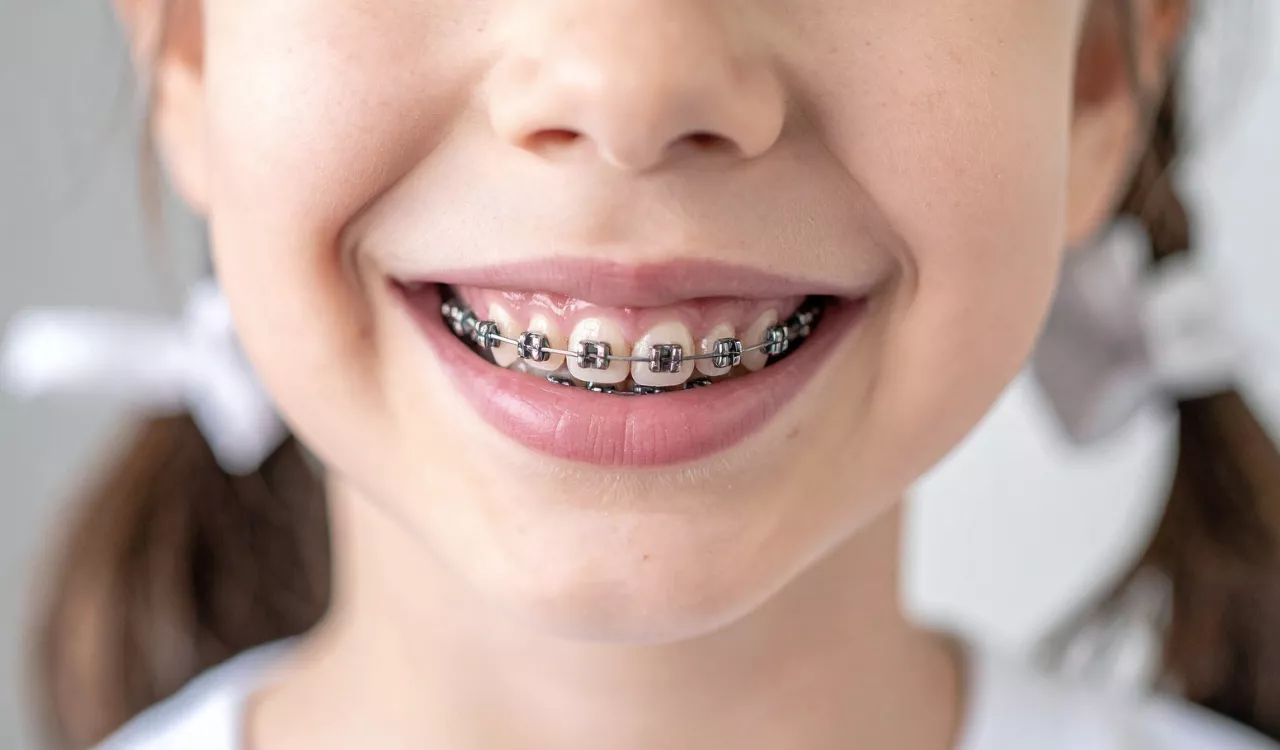
Braces cause mild discomfort but not severe pain. Most patients describe the sensation as pressure or soreness rather than sharp pain, and it typically lasts only a few days after getting braces and after each adjustment appointment. The discomfort is temporary and manageable with over-the-counter pain relievers, soft foods, and simple home remedies.
If fear of pain is stopping you from getting braces, you should know that millions of people, including children as young as seven or eight, wear braces successfully every year. The temporary discomfort is a small price for a lifetime of straight teeth and improved oral health.
What Does Getting Braces Put On Feel Like?
Many patients worry most about the appointment where braces are attached to their teeth. Here is what to expect.
The bonding appointment itself does not hurt. There are no needles, no drilling, and no shots. The orthodontist cleans and dries your teeth, applies a bonding adhesive, places each bracket on a tooth, and threads a wire through the brackets. The process takes one to two hours.
What do you feel during the appointment. You may feel pressure as brackets are positioned and some minor pulling as the wire is threaded. Your mouth may get tired from staying open for an extended period. You might notice a slight taste from the bonding material. But there is no pain during the actual placement.
The discomfort comes later. A few hours after your appointment, as the braces begin to apply pressure and your teeth start shifting, you will feel soreness. This is when most patients notice discomfort for the first time. It typically begins 4 to 6 hours after placement.
Why Do Braces Cause Discomfort?
Understanding why braces cause soreness helps put the experience in perspective. The discomfort is a sign that treatment is working.
Teeth Are Moving
Braces apply constant, gentle pressure to your teeth through the wire and brackets. This pressure signals your body to remodel the bone around each tooth. On one side, the bone breaks down to allow the tooth to move. On the other side, new bone builds up to support the tooth in its new position. This process creates inflammation and sensitivity.
Ligaments Are Stretching
Each tooth is connected to the jawbone by tiny ligaments. When braces shift your teeth, these ligaments stretch and compress. This triggers a mild inflammatory response, similar to the feeling of sore muscles after exercise.
Soft Tissue Is Adapting
Your lips, cheeks, and tongue are not used to having brackets and wires in your mouth. During the first week or two, these soft tissues may feel irritated as they rub against the new hardware. This irritation decreases as your mouth adapts and forms small calluses.
Each Adjustment Restarts the Process
Every 4 to 6 weeks, your orthodontist adjusts the wire or adds new components to continue moving your teeth. Each adjustment reapplies pressure and restarts the soreness cycle, though most patients find adjustments cause less discomfort than the initial placement.
How Long Does Braces Pain Last?
Knowing the timeline helps you prepare and understand that the discomfort is temporary.
After Initial Placement
Soreness typically begins 4 to 6 hours after braces are placed. It peaks around 24 to 72 hours. Most patients notice significant improvement by day 3 or 4. By the end of the first week, the soreness has usually faded, and your mouth has adapted to the brackets.
After Adjustment Appointments
Following each adjustment, you may feel soreness for 1 to 3 days. The pattern is similar to initial placement but usually less intense. Some adjustments cause more discomfort than others, depending on what changes are made.
The First Month Is the Hardest
During the first month of treatment, everything is new. Your mouth is adjusting to the brackets, your teeth are making their first significant movements, and you are learning how to eat and clean with braces. After the first month, most patients report that braces feel much easier and they barely notice them.
Individual Variation
Everyone experiences pain differently. Some patients report only mild tenderness throughout treatment. Others feel more pronounced soreness. However, it is rare for braces pain to be severe or to interfere significantly with daily life.
How to Stop Braces Pain Immediately
When soreness strikes, these remedies provide relief.
Over-the-Counter Pain Relievers
Ibuprofen (Advil, Motrin) or acetaminophen (Tylenol) works well for braces discomfort. Ibuprofen also reduces inflammation, which can help with swelling. Take as directed on the package. Some orthodontists recommend taking a dose before your adjustment appointment to stay ahead of the soreness.
Cold Foods and Drinks
Cold temperatures numb soreness and reduce inflammation. Try ice water, cold smoothies, frozen yogurt, ice cream, or popsicles. Avoid biting into hard frozen items. Let them melt in your mouth or blend them into a soft form.
Orthodontic Wax
If brackets or wires irritate your cheeks, lips, or tongue, apply orthodontic wax over the problem area. The wax creates a smooth barrier between the hardware and your soft tissue. Your orthodontist will provide wax, but you can also buy it at any pharmacy. Roll a small piece between your fingers to soften it, then press it onto the bracket or wire.
Salt Water Rinse
Mix half a teaspoon of salt into 8 ounces of warm water. Swish gently for 30 seconds and spit. Salt water soothes irritated gum tissue, promotes healing, and can help if you develop small sores from bracket rubbing.
Soft Foods
Do not make your teeth work hard when they are sore. Stick to soft foods for the first few days after braces or adjustments. Good options include yogurt, mashed potatoes, soup, scrambled eggs, pasta, oatmeal, smoothies, bananas, and applesauce. Avoid anything crunchy, chewy, or requiring significant biting force.
Oral Anesthetic Gel
Products like Orajel or Anbesol contain benzocaine, which temporarily numbs sore areas. Apply a small amount directly to tender spots using a clean finger or cotton swab. Follow package directions.
Do Braces Hurt More for Adults or Kids?
This is a common concern for adults considering orthodontic treatment.
Pain perception is individual. There is no strong evidence that adults experience significantly more pain than children or teenagers. Sensitivity varies from person to person, not by age group.
Adults may be more aware of discomfort. Children and teenagers often adapt quickly and move on. Adults may focus more attention on the sensation, which can make it feel more pronounced. This is psychological, not physical.
Teens adapt quickly. Younger patients often bounce back faster after adjustments and seem less bothered overall. For them, braces are often a normal part of adolescence, and many of their friends have them too.
Adults manage braces just fine. Millions of adults get braces every year and handle the discomfort without major issues. If anything, adults tend to be more prepared and disciplined about using pain relief strategies.
What Hurts More: Metal Braces, Ceramic Braces, or Invisalign?
Patients often want to know if one type of braces is more comfortable than another.
Metal and Ceramic Braces
Metal braces and ceramic braces work the same way, using brackets and wires to apply pressure. The discomfort from tooth movement is similar for both. However, ceramic brackets are sometimes slightly larger and may cause more initial irritation to cheeks and lips. Orthodontic wax helps with this.
Invisalign Clear Aligners
Invisalign patients still feel pressure and soreness because the aligners are moving teeth. Each time you switch to a new tray (every one to two weeks), you will feel tightness for a day or two. However, Invisalign has no brackets or wires to irritate soft tissue, so many patients find it more comfortable overall. The tradeoff is that removing and inserting trays, especially tight new ones, can be uncomfortable.
Lingual Braces
Lingual braces are placed on the back surfaces of teeth. They can cause significant tongue irritation during the first few weeks because the tongue is not accustomed to hardware on that surface. Most patients adapt within 2 to 4 weeks, but the initial adjustment period can be more uncomfortable than traditional braces.
No Braces Type Is Pain-Free
All orthodontic treatment involves moving teeth, and moving teeth involves some discomfort. The type of braces affects where and how you feel discomfort, but none eliminates it entirely. All types are manageable.
Tips to Stay Comfortable Throughout Treatment
Beyond immediate pain relief, these strategies help you stay comfortable during your entire braces journey.
Keep Orthodontic Wax With You
Carry wax in your bag, backpack, or car. When a bracket or wire starts irritating, apply wax immediately before it creates a sore. Prevention is easier than treatment.
Stay on Schedule With Appointments
Keeping regular adjustment appointments prevents bigger issues. Skipping appointments can lead to problems that cause more discomfort later.
Avoid Foods That Break Brackets
Every broken bracket creates a sharp edge or loose piece that can irritate your mouth. Avoiding hard and sticky foods prevents these problems. No popcorn, hard candy, ice, whole apples, corn on the cob, or chewy caramel.
Use a Soft-Bristle Toothbrush
Gums can be sensitive during orthodontic treatment. A soft-bristle brush cleans effectively without adding irritation.
Communicate With Your Orthodontist
If something feels wrong, a wire is poking, or discomfort is not improving, call your orthodontist. They can fix issues quickly. Do not suffer through something that has an easy solution.
Be Patient With Yourself
The first few weeks are the hardest. Your mouth will adapt. Most patients say they forget the braces are there after a few months.
When to Call Your Orthodontist About Pain
Most braces discomfort is normal and manageable at home. However, some situations require professional attention.
Normal Discomfort (No Need to Call)
Soreness after adjustments that fades within a few days. Mild irritation on cheeks or lips that improves with wax. Teeth feel slightly loose, which is normal as they move. Discomfort when biting down on hard foods.
Call Your Orthodontist If
A wire is poking your cheek or gum, and wax is not helping. A bracket has come completely come off the tooth. Pain is severe and not relieved by over-the-counter medication. You notice a sore or ulcer that is not healing after a week. Swelling in your gums seems to be getting worse. A tooth feels extremely painful rather than just sore, which could indicate a different issue.
At Gentle Dental of NJ, patients can call for same-day assistance with braces problems. Extended hours and Saturday availability make it easy to get help quickly.
Gentle, Comfortable Braces Treatment at Gentle Dental of NJ
If you are nervous about braces pain, Gentle Dental of NJ is the right practice for you. The name says it all.
Gentle Is in Our Name
Gentle Dental of NJ has built its reputation on compassionate, pain-free treatment. The team takes time to ensure every patient is comfortable. This is not a rushed, assembly-line practice. Your comfort matters.
Board-Certified Orthodontist
Dr. Ilya Lipkin, DDS, is a board-certified orthodontist and Clinical Professor at NYU College of Dentistry. His experience means braces are placed carefully, and adjustments are made with precision. He explains what to expect at every stage so patients are never surprised by discomfort.
What Patients Say About Comfort
Patients consistently praise the gentle approach. One Google reviewer shared: “The doctor went slow… I didn’t even feel a thing. I will never go anywhere else EVER! I see why they’re called Gentle Dental!”
Another patient noted: “My daughter loves the dentist after seeing the dentist at this place.”
With 137 Google reviews and a 4.5-star rating, Gentle Dental has earned its reputation for comfortable care.
We Support You Throughout Treatment
If you experience discomfort, call us. If a wire is bothering you, come in. The team is available to help, not just at scheduled appointments but whenever you need assistance.
Serving Newark’s Ironbound Community
Gentle Dental of NJ has served families in the Ironbound neighborhood for years. The staff speaks English, Spanish, and Portuguese, ensuring every patient feels understood and at home.
Convenient Location and Hours
The office is located at 290 Ferry Street, Suite B2, Newark, NJ 07105. Extended evening hours and Saturday appointments accommodate busy schedules. The office is a 5-minute walk from Newark Penn Station with patient parking available.
Free Consultation With No Pressure
Do not let fear of pain stop you from getting the smile you deserve. Schedule a free consultation at Gentle Dental of NJ. Meet the team, learn about your options, and ask any questions about what braces feel like. Call (973) 817-8888 to schedule your appointment.
Disclaimer
Medically reviewed by Dr. Ilya Lipkin, DDS. This content is for educational purposes only and is not intended as medical advice, diagnosis, or treatment. Please consult a qualified healthcare provider for personalized recommendations.