
It’s natural to worry about pain when you hear you might need a dental implant. After all, getting an implant involves a minor surgery, and nobody likes to sign up for pain if they can avoid it! If you’re considering dental implants in New Jersey or anywhere else, you probably want to know: Do dental implants hurt during or after the procedure? We’ll break down what to expect in terms of discomfort. We’ll compare implants to other dental procedures (like a tooth extraction), explain how modern dentistry keeps patients comfortable, and share honest insights from our Newark patients. By the end, you might be surprised at just how easy the implant process can be.
The Dental Implant Procedure in a Nutshell
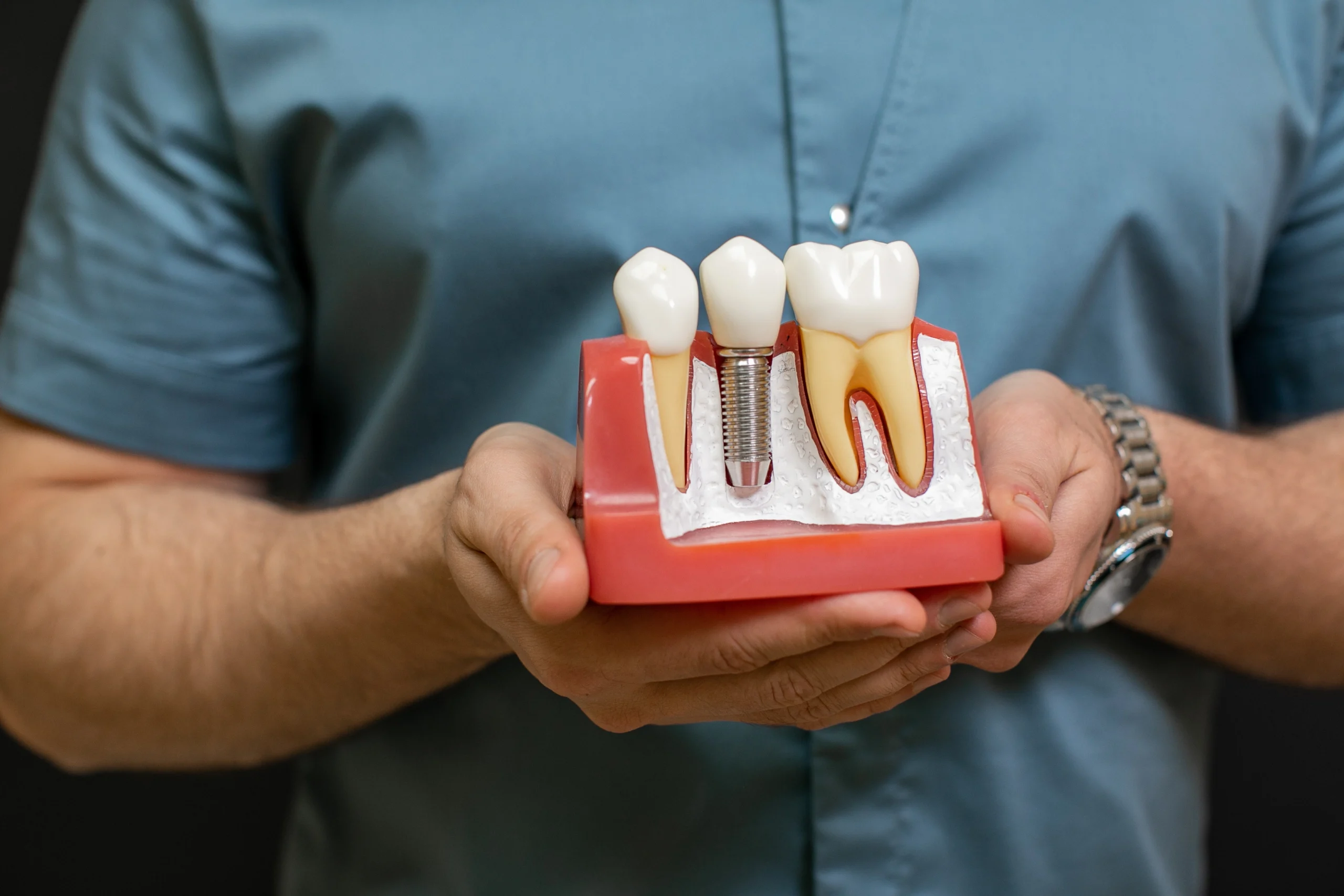
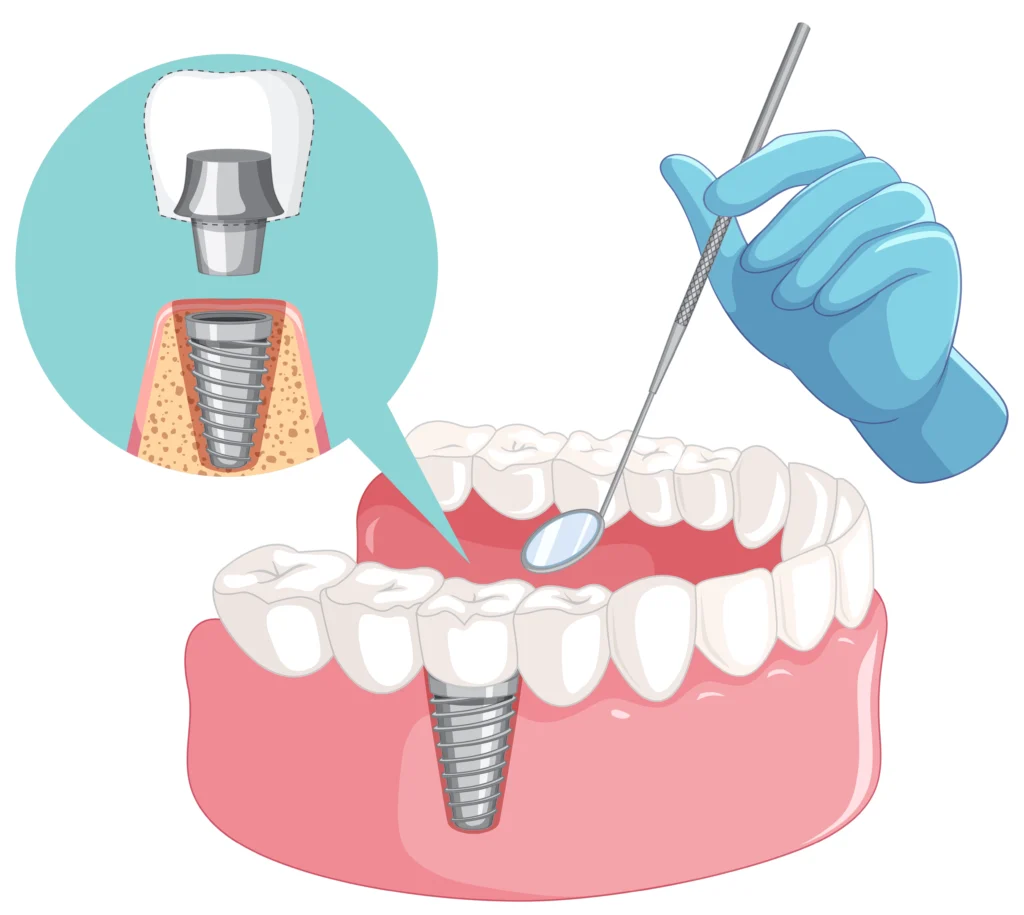
Before talking about pain, it helps to understand what the dental implant process involves. A dental implant procedure is typically an outpatient surgery done right in the dental office. In simple terms, the dentist will numb your mouth, place a titanium implant post into your jawbone, and then close the area up. The entire process for one dental implant usually takes under an hour, sometimes even as little as 20–30 minutes.
Because the area is well-numbed, you won’t feel pain during the placement. You might feel some pressure or hear the drill as the implant site is prepared, but the bone where the implant goes doesn’t have many nerve endings. Many patients find the sensation easier than expected, often describing it as less intense than a tooth extraction. Once the implant is in and the procedure is over, your gum is stitched up, and you’re all set to go home and heal.
Pain During the Procedure: What to Expect
The good news is that getting a dental implant is usually painless during the procedure itself. Thanks to local anesthesia, the nerves in your gum and jaw are temporarily numbed, so they can’t send pain signals. You’ll be awake, but you shouldn’t feel any sharp sensations. If you’re especially nervous or concerned, dentists can also offer sedation options to help you relax.
At our Newark clinic (in the Ironbound neighborhood), Dr. Bernstein sometimes performs implant surgeries with patients under conscious sedation or even general anesthesia. That way, you can be very relaxed or even snooze while the implant is placed. As Dr. Bernstein explains, “Not really. In some cases, you can do it with general anesthesia, so it’s not painful at all. Extraction of teeth is more painful than implant placement.” In other words, you have options to ensure you’re comfortable the whole time. And interestingly, he notes that pulling a tooth (an extraction) tends to be more uncomfortable than placing an implant – a fact that surprises many people.
During the implant surgery, you’ll mostly just feel some pressure or mild movement, but not pain. If at any point you do feel pain, you can signal to your dentist, and they will give you more anesthesia. The goal is for you to feel zero pain while the work is being done.
After the Surgery: Soreness and Recovery
What happens when you go home and the numbness wears off? It’s normal to have some mild soreness or achiness in the area for a few days. However, many patients find it’s not as bad as they anticipated. Here’s a typical timeline of what you might feel: initially, there may be a bit of throbbing once the anesthetic fades, but this is often managed well with an over-the-counter pain reliever. Discomfort is usually the most noticeable in the first 24–48 hours. Even then, it’s generally mild enough that basic painkillers and a little rest are all you need. “There isn’t usually significant pain… most people don’t need painkillers after the second or third day,” says Dr. Bernstein, based on decades of experience with implant patients. By the third day, soreness is greatly reduced for most people, and after a week, you might forget you even had a procedure. The gum heals, any minor swelling goes down, and you’re back to normal chewing and smiling.
Of course, everyone’s pain tolerance is different. A few patients might feel a bit more discomfort, and some very lucky ones feel almost none at all. But on the whole, getting a dental implant is far easier in the recovery department than many expect. Most of Dr. Bernstein’s Newark patients tell us that any pain they had was surprisingly minimal and short-lived.
Dental Implants vs. Tooth Extractions: Which Hurts More?
If you’ve ever had a tooth pulled, you may recall the soreness that followed for a few days. Many patients who have undergone both procedures report that the implant was easier than the extraction. This aligns with Dr. Bernstein’s observation that removing a tooth can be more painful than placing an implant.
Why might an extraction cause more soreness? When a tooth is removed, the dentist has to apply pressure to pop the tooth out, and it leaves an open wound in the gum and bone. That open socket can throb until it heals. With a dental implant, the process is more controlled. The implant essentially replaces the tooth right away, and the area is stitched closed around it. There’s less open wound area, which often means less post-op pain.
In our practice, it’s common to hear patients say, “Wow, the implant was so much easier than getting my tooth pulled.” If you handled a past extraction, you can feel confident that an implant will be manageable.
How We Minimize Discomfort (Before and After)
Modern dentistry places a big emphasis on keeping you comfortable. Here are some ways we ensure a nearly pain-free experience for our implant patients:
- Effective Anesthesia: We thoroughly numb the area before starting. You stay pain-free during the procedure, and we can always add more anesthetic if needed.
- Sedation Options: If you’re anxious, we offer sedation (like laughing gas or IV sedation) so you can relax or even sleep through the implant procedure. Time will fly by, and you won’t feel a thing.
- Gentle Techniques: Dr. Bernstein uses precise, gentle surgical techniques that minimize tissue impact. Smaller incisions and careful placement mean less trauma. This is one reason patients from Ironbound Newark who get dental implants tend to heal quickly and have minimal discomfort.
- Post-Op Care Instructions: We send you home with clear instructions for caring for the implant site (rinsing, soft foods, etc.). Following these guidelines helps prevent complications and keeps pain levels down.
Quick Tips to Manage Any Post-Implant Soreness
Even though most implant recoveries are mild, here are a few quick tips to stay comfortable after surgery:
- Take Pain Relievers if Needed: Use any prescribed or recommended pain medication (often just ibuprofen or acetaminophen) as directed, especially on the first day. Don’t wait for pain to get bad – it’s easier to keep discomfort controlled with scheduled doses initially.
- Ice and Rest: For the first day, apply an ice pack on your cheek off and on to reduce swelling. Take it easy – relax at home and give your body a chance to start healing. By the next day, you can usually resume light activities, but listen to your body.
- Stick to Soft, Cool Foods: Your mouth will appreciate soft foods at first. Enjoy smoothies (skip the straw), yogurt, applesauce, mashed potatoes, or soup (let it cool a bit). These foods won’t irritate the area and can feel soothing.
If you do feel something more than the expected mild soreness, for example, if pain suddenly worsens after a couple of days instead of improving, call your dentist. Complications are rare, but it’s always better to check in if something feels off. In the vast majority of cases, though, a dental implant’s post-op pain is easy to handle and goes away pretty quickly.
The Bottom Line: Don’t Let Fear Keep You From a New Smile
Dental implants might sound intimidating, but the procedure is much gentler than it seems. Modern implant dentistry is a routine, low-pain experience. Most patients are pleasantly surprised by how little it hurts, both during and after the process. The thought of having a metal post in your jaw may cause worry, but in reality, the experience is often on par with (or easier than) other common dental procedures.
If you’ve been putting off replacing a missing tooth because you’re worried about pain, consider coming in for a consultation. Dr. Bernstein has decades of experience placing dental implants and can walk you through the process and what you can expect. You’ll get to discuss anesthesia and pain management options tailored for you. Knowing that you’re in experienced, gentle hands can relieve a lot of anxiety. Remember, the result – a strong, natural-feeling new tooth – comes with far less discomfort than you might think.
Ready to take the next step toward a healthier, complete smile? Don’t let fear of pain hold you back. Whether you’re in Newark’s Ironbound neighborhood or elsewhere in New Jersey, our team is here to make your dental implant experience comfortable. Contact Dr. Bernstein’s office today to schedule a consultation and learn how we can restore your smile with minimal fuss. Your comfort is our priority every step of the way!
Disclaimer
Medically reviewed by Dr. Eugene Bernstein, DDS. This content is for educational purposes only and is not intended as medical advice, diagnosis, or treatment. Please consult a qualified healthcare provider for personalized recommendations.