
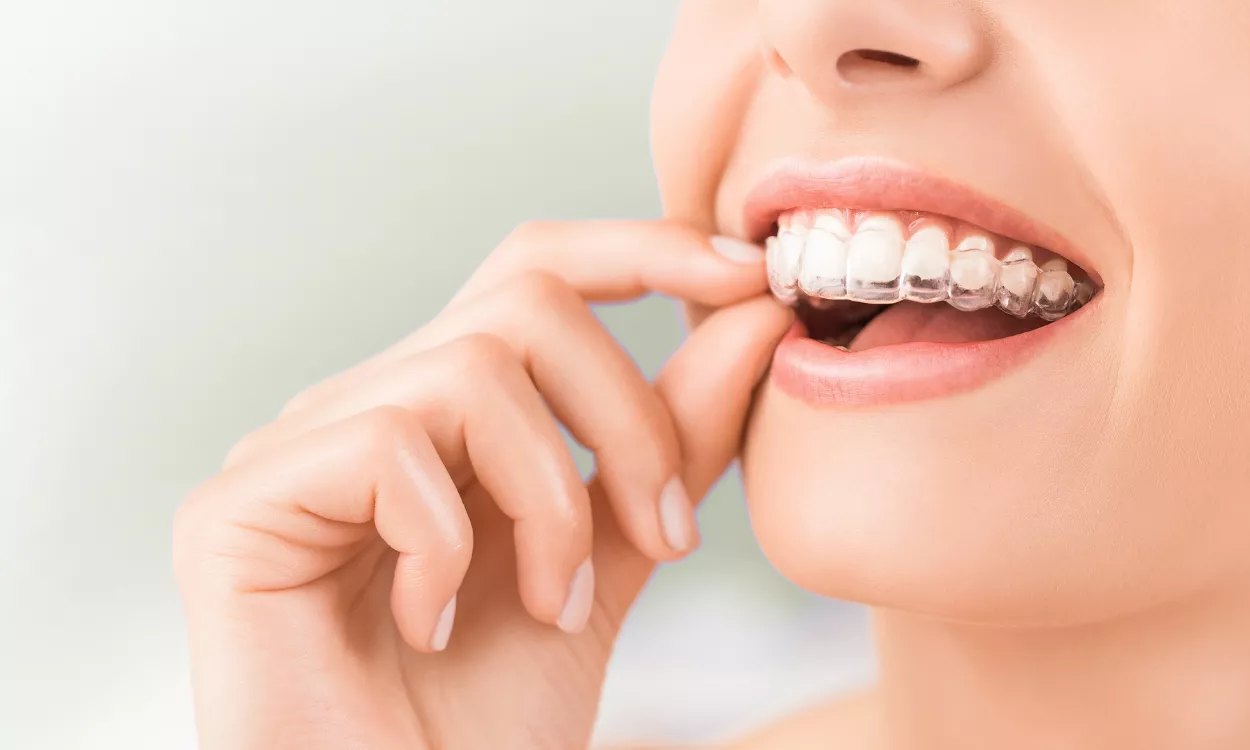
Invisalign without insurance costs between $3,000 and $8,000, with the average treatment around $5,000. The price depends on how complex your case is and how long treatment takes. Minor crowding may cost as little as $2,000 to $4,000, while severe misalignment requiring comprehensive treatment can reach $8,000 or more. Many orthodontists offer monthly payment plans that make Invisalign affordable even without insurance coverage.
If you have been considering Invisalign but worried about the cost, understanding your options can help you make an informed decision. Clear aligners are an investment in both your appearance and your oral health.
Invisalign Cost by Case Complexity
The complexity of your orthodontic case is the biggest factor determining your Invisalign cost. Invisalign offers different treatment tiers designed for varying levels of correction.
Invisalign Express is designed for minor corrections such as slight crowding or small gaps. Treatment typically uses 10 or fewer aligner trays and takes three to six months. Without insurance, Invisalign Express costs $2,000 to $4,000, with an average around $2,500. This option works well for adults who had braces as teenagers but experienced minor shifting over the years.
Invisalign Lite addresses moderate orthodontic issues using up to 14 aligner trays. Treatment takes six to twelve months. Costs typically range from $3,000 to $5,000. This tier is suitable for patients with moderate crowding, spacing, or minor bite issues.
Invisalign Comprehensive is the full treatment for complex cases requiring significant tooth movement. There is no limit on the number of aligner trays, and treatment often takes 12 to 18 months or longer. Costs range from $5,000 to $8,000 or more. This option addresses moderate to severe misalignment, overbites, underbites, crossbites, and complex spacing issues.
Your orthodontist will evaluate your teeth and bite during a consultation to determine which treatment tier is appropriate for your situation.
Invisalign vs Traditional Braces Cost
Invisalign and traditional braces are similarly priced, though each has different advantages. Understanding the cost comparison helps you decide which option offers better value for your situation.
Traditional metal braces typically cost $3,000 to $7,000 without insurance. Treatment usually takes 18 to 24 months, though some cases require longer. Braces are affixed to your teeth and adjusted by your orthodontist at regular appointments. They are highly effective for complex cases and do not rely on patient compliance since they cannot be removed.
Invisalign typically costs $3,000 to $8,000 without insurance. Treatment takes 12 to 18 months for most cases, though simpler cases can be completed in as little as six months. The aligners are removable, allowing you to eat, brush, and floss normally. They are nearly invisible when worn, making them popular with adults and teens who want a discreet option.
The right choice depends on your priorities. Invisalign offers convenience and aesthetics. Traditional braces may be more effective for certain complex bite issues. Your orthodontist can recommend the best option based on your specific needs and goals.
What Is Included in the Invisalign Cost?
Understanding what your Invisalign fee covers helps you evaluate the true value of treatment. Most orthodontists include a comprehensive package of services in their quoted price.
Your initial consultation and examination are typically included or offered at low cost. This visit includes a clinical exam, digital X-rays or 3D scans of your teeth, and a discussion of your treatment options and goals.
Custom treatment planning uses advanced software to map out exactly how your teeth will move throughout treatment. Your orthodontist creates a digital preview showing your expected results before you commit to treatment.
All aligner trays needed throughout your treatment are included in most Invisalign fees. You receive new sets of aligners every one to two weeks, gradually shifting your teeth into their final positions.
Regular progress appointments, typically every six to eight weeks, allow your orthodontist to monitor your treatment and provide your next set of aligners. These visits are usually included in your total fee.
Refinement aligners may be needed toward the end of treatment if your teeth require additional adjustment to achieve optimal results. Many orthodontists include refinements in their Invisalign fee, though some charge extra.
Retainers to maintain your results after treatment are sometimes included and sometimes charged separately. Ask your orthodontist whether retainers are part of your quoted price or an additional cost. Retainers typically cost $100 to $500 if charged separately.
Payment Plans for Invisalign Without Insurance
Even without insurance, Invisalign can fit your budget through flexible payment options. Most orthodontists understand that $5,000 or more is a significant investment and offer ways to spread the cost over time.
In-house payment plans allow you to make monthly payments directly to your orthodontist’s office. Many practices offer interest-free financing if you complete payments within a set timeframe. Monthly payments typically range from $100 to $300, depending on your total cost and payment term.
Third-party financing through companies like CareCredit provides extended payment terms, often with promotional periods of 0% interest for 12 to 24 months. These plans allow you to start treatment immediately while paying over time. Be sure to pay off your balance before the promotional period ends to avoid retroactive interest charges.
Down payment and payment schedule arrangements vary by practice. Some orthodontists require a significant down payment, while others allow you to begin treatment with little money upfront. Ask about different payment structures during your consultation.
Discounts for paying in full are offered by some practices. If you can afford to pay the entire treatment cost upfront, ask whether a discount is available. Some orthodontists offer 5% to 10% off for full payment.
How to Save Money on Invisalign
Several strategies can reduce your Invisalign cost even without traditional dental insurance.
Use your HSA or FSA funds. Health Savings Accounts and Flexible Spending Accounts allow you to pay for Invisalign with pre-tax dollars. This effectively saves you on your tax rate on the cost of treatment. If you are in the 25% tax bracket, using HSA funds on a $5,000 treatment saves you $1,250.
Get multiple quotes from different orthodontists. Invisalign pricing varies between providers, so comparing fees from two or three offices in your area can help you find competitive pricing. However, do not choose based on price alone. Your orthodontist’s experience and expertise matter for achieving optimal results.
Ask about Invisalign Express or Lite. If your case qualifies for a shorter treatment tier, you can save significantly compared to comprehensive treatment. Your orthodontist will tell you which tier is appropriate during your consultation.
Look for new patient promotions. Some orthodontists offer discounts for new patients or run periodic specials on Invisalign treatment. Ask about any current promotions when you schedule your consultation.
Consider timing your treatment. Some practices offer discounts during slower seasons or for starting treatment during certain months. It never hurts to ask.
Is Invisalign Worth the Cost?
Yes, Invisalign is worth the investment for most patients seeking straighter teeth. The benefits extend beyond appearance to include improved oral health and function.
Straighter teeth are easier to clean. Crowded or overlapping teeth create spaces where plaque and food particles accumulate, increasing your risk of cavities and gum disease. Properly aligned teeth allow for more effective brushing and flossing, which protects your oral health long term.
Correcting bite issues prevents future problems. Misaligned bites can cause uneven wear on tooth enamel, jaw pain, and TMJ disorders. Addressing these issues now prevents more expensive treatments later.
The investment lasts a lifetime. Unlike cosmetic treatments that need regular maintenance, the results of orthodontic treatment are permanent as long as you wear your retainers as directed. You pay once for a lifetime of straighter teeth.
Confidence and quality of life improve for most patients. Many people feel self-conscious about crooked or crowded teeth. A straighter smile can boost your confidence in professional and social situations. Patients often say their investment in Invisalign was one of the best decisions they made.
When you consider the long-term benefits, Invisalign represents good value compared to the cost of addressing dental problems caused by misalignment or living with a smile you are not happy with.
How Long Does Invisalign Treatment Take?
Treatment length varies based on your case complexity and how consistently you wear your aligners.
Minor cases using Invisalign Express typically take three to six months. These cases involve small adjustments like closing minor gaps or correcting slight crowding after previous orthodontic treatment.
Moderate cases using Invisalign Lite take six to twelve months. These cases address more noticeable crowding, spacing, or minor bite issues.
Complex cases using Invisalign Comprehensive take 12 to 18 months on average, though some cases require 24 months or longer. These cases involve significant tooth movement, bite correction, or both.
Your compliance affects treatment time. Invisalign aligners must be worn 20 to 22 hours per day to work effectively. Removing them only for eating, drinking anything other than water, brushing, and flossing keeps treatment on track. Patients who do not wear their aligners consistently may experience longer treatment times.
After completing your aligner treatment, you will need to wear retainers to maintain your results. Most patients wear retainers full-time for several months, then transition to nighttime wear only.
Invisalign for Adults vs Teens
Both adults and teenagers can achieve excellent results with Invisalign, though there are some differences in treatment.
Adults typically have fully developed jaws and teeth, which can make treatment planning more predictable. Adult treatment often focuses on crowding, spacing, and bite refinement. Many adults choose Invisalign because clear aligners are less noticeable than metal braces in professional settings. Adult treatment costs $3,000 to $8,000, depending on complexity.
Teenagers may still be experiencing jaw growth, which the orthodontist factors into treatment planning. Invisalign Teen includes compliance indicators on the aligners that fade with wear, helping parents and orthodontists confirm the aligners are being worn as directed. Teen treatment typically costs $3,000 to $6,000.
Both adults and teens benefit from the removable nature of Invisalign. Being able to take out aligners for eating, brushing, and special occasions makes treatment more convenient than fixed braces.
Affordable Invisalign in Newark, NJ
At Gentle Dental of NJ, our orthodontic treatment is led by Dr. Ilya Lipkin, DDS, a Board-Certified Orthodontist and Clinical Professor at NYU College of Dentistry. Dr. Lipkin brings advanced expertise to every Invisalign case, ensuring you receive the highest quality care and optimal results.
As a multi-specialty practice, we offer a unique advantage. Your entire orthodontic treatment happens under one roof, from initial consultation through final retainer fitting. There is no need for outside referrals, and our team coordinates seamlessly to provide comprehensive care.
We understand that Invisalign is a significant investment, especially without insurance. That is why we offer flexible payment plans to make treatment accessible. We work with each patient to find a payment arrangement that fits their budget, because we believe everyone deserves a confident smile.
Your initial orthodontic consultation at Gentle Dental of NJ is complimentary. We will evaluate your teeth and bite, discuss your goals, and explain your treatment options with transparent pricing. There is no pressure and no obligation.
Our office is located at 290 Ferry Street in Newark’s Ironbound neighborhood, just five minutes from Newark Penn Station with free patient parking. We offer evening appointments during the week and Saturday hours to accommodate busy schedules. Our team speaks English, Spanish, and Portuguese.
Ready to start your journey to a straighter smile? Call Gentle Dental of NJ at 973-817-8888 to schedule your free Invisalign consultation.
Frequently Asked Questions
Can I get Invisalign if I had braces before?
Yes, Invisalign is an excellent option for adults who had braces as teenagers but experienced tooth shifting over time. In fact, these cases often qualify for Invisalign Express or Lite, which are shorter and less expensive treatment options. Your orthodontist will evaluate whether Invisalign can address your current alignment concerns.
How often do I need to wear my aligners?
You must wear your Invisalign aligners 20 to 22 hours per day for treatment to work effectively. Remove them only for eating, drinking anything other than water, and brushing and flossing your teeth. Wearing aligners less than recommended can extend your treatment time and compromise your results.
Does Invisalign hurt?
Most patients experience mild pressure or discomfort when starting a new set of aligners, typically lasting one to three days. This pressure means the aligners are working to move your teeth. The discomfort is generally less than what patients experience with traditional brace adjustments. Over-the-counter pain relievers can help if needed.
What happens after Invisalign treatment?
After completing your aligner treatment, you will transition to wearing retainers to maintain your results. Most patients wear retainers full-time for several months, then switch to nighttime wear only. Wearing your retainers as directed is essential to prevent your teeth from shifting back toward their original positions.
Disclaimer
Medically reviewed by Dr. Eugene Bernstein, DDS. This content is for educational purposes only and is not intended as medical advice, diagnosis, or treatment. Please consult a qualified healthcare provider for personalized recommendations.